Backpack vs Suitcase: Which Travel Style Fits You Best?
If you are trying to decide between a backpack vs suitcase for travel, you are really deciding between two different travel styles. One prioritizes mobility, adaptability, and moving through the world with fewer physical constraints. The other prioritizes comfort while in transit, easier weight distribution through wheels, and less strain on your back and shoulders. That is why this question matters so much: the right answer depends less on what looks “travel smart” and more on how your trip actually unfolds. Across the Reddit threads you shared, travelers kept returning to the same real-life decision points: stairs, cobblestones, trains, public transport, airline rules, hostel logistics, shoulder strain, and the difference between smooth airport-to-hotel travel and messy multi-stop movement.

A lot of online advice makes the debate sound too simple. It is not really travel backpack vs suitcase in the abstract. It is more like this: are you going to roll your bag mostly on smooth floors, or carry it over awkward surfaces? Will you take taxis door to door, or mix buses, trains, ferries, and walking? Will you stay in hotels with elevators, or in places where stairs and tight spaces are normal? One of the clearest comments in the Reddit material put it bluntly: if the trip is just home to airport to hotel to airport to home, a roller bag is fine. But if your travel includes transit changes, self-transfers, city walking, and movement-heavy itineraries, a roller can limit you.
Start with the reality of your trip, not the image in your head

The biggest mistake people make in the backpack or suitcase for international travel debate is choosing based on fantasy. They imagine a stylish arrival, or a rugged backpacking identity, instead of thinking about what the trip actually requires. If your route is clean, predictable, and mostly paved — airport, cab, hotel, return — a suitcase is often the more comfortable option because you are rolling weight instead of wearing it. But if the trip includes old city streets, uneven paths, hostel staircases, train changes, or long walks before check-in, a backpack starts making a lot more sense. That pattern shows up repeatedly across the solo travel, one-bag, and HerOneBag threads.
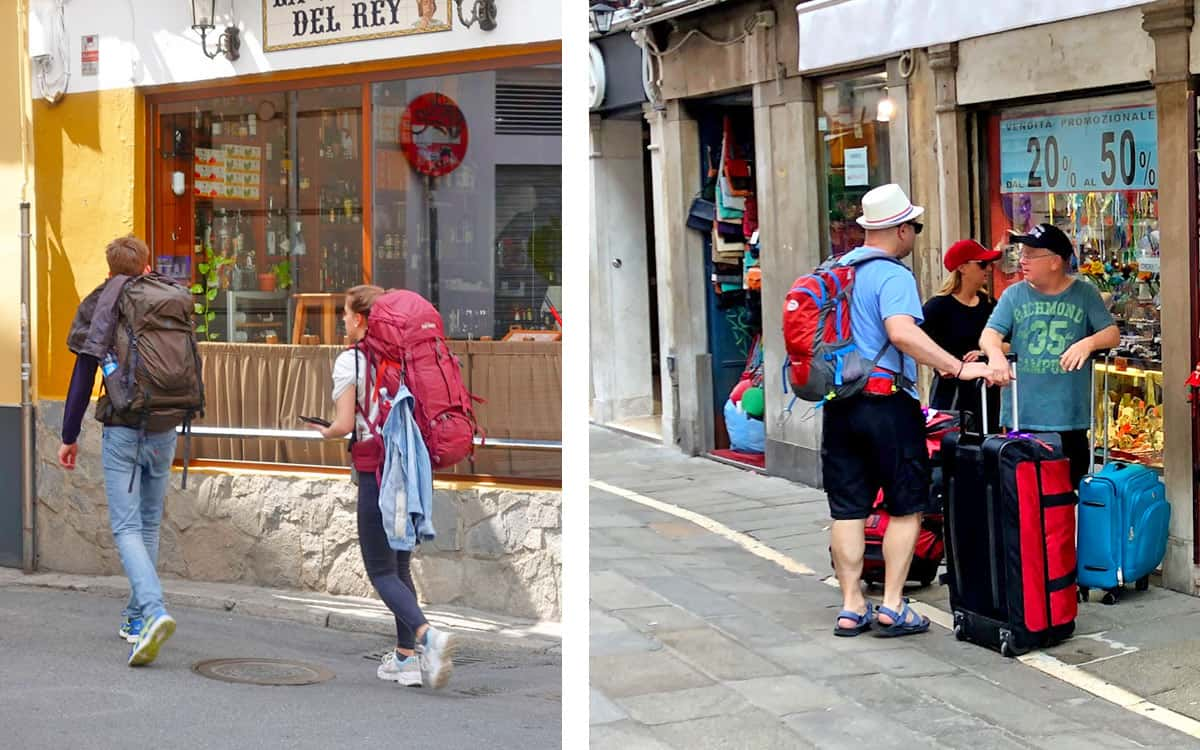
This is why people who swear by backpacks are often not being ideological. They are reacting to friction. In the Reddit discussions, backpack users repeatedly described staircases, public transport, and cobblestones as the environments that make roller bags feel clumsy. One commenter said they had watched other travelers struggle with wheeled luggage while they moved through spiraling staircases and public transit with relative ease. Another said the main question is simple: how many stairs or uneven surfaces will you encounter? If the answer is “a lot,” the case for a backpack gets much stronger.
When a suitcase makes more sense
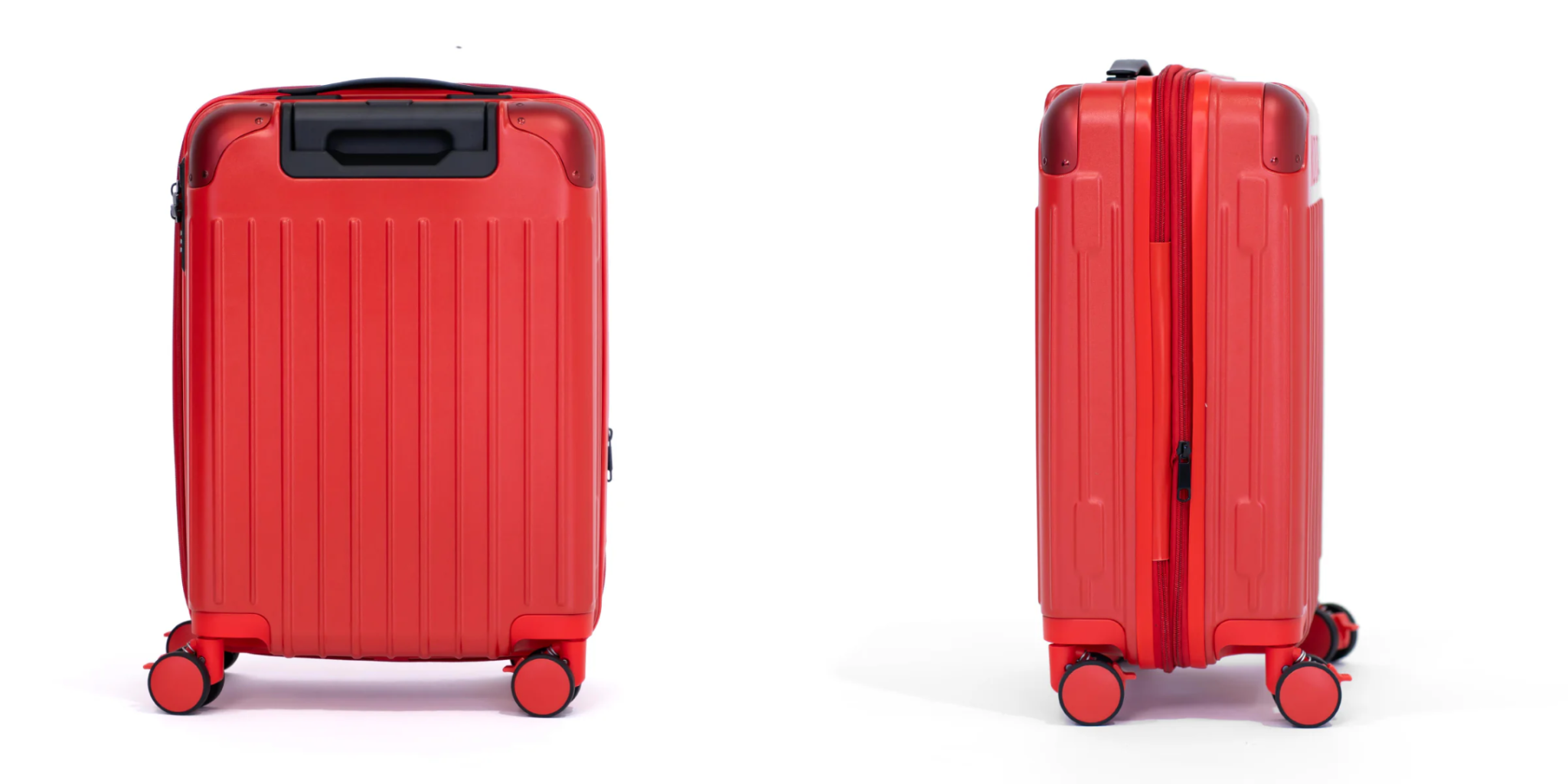
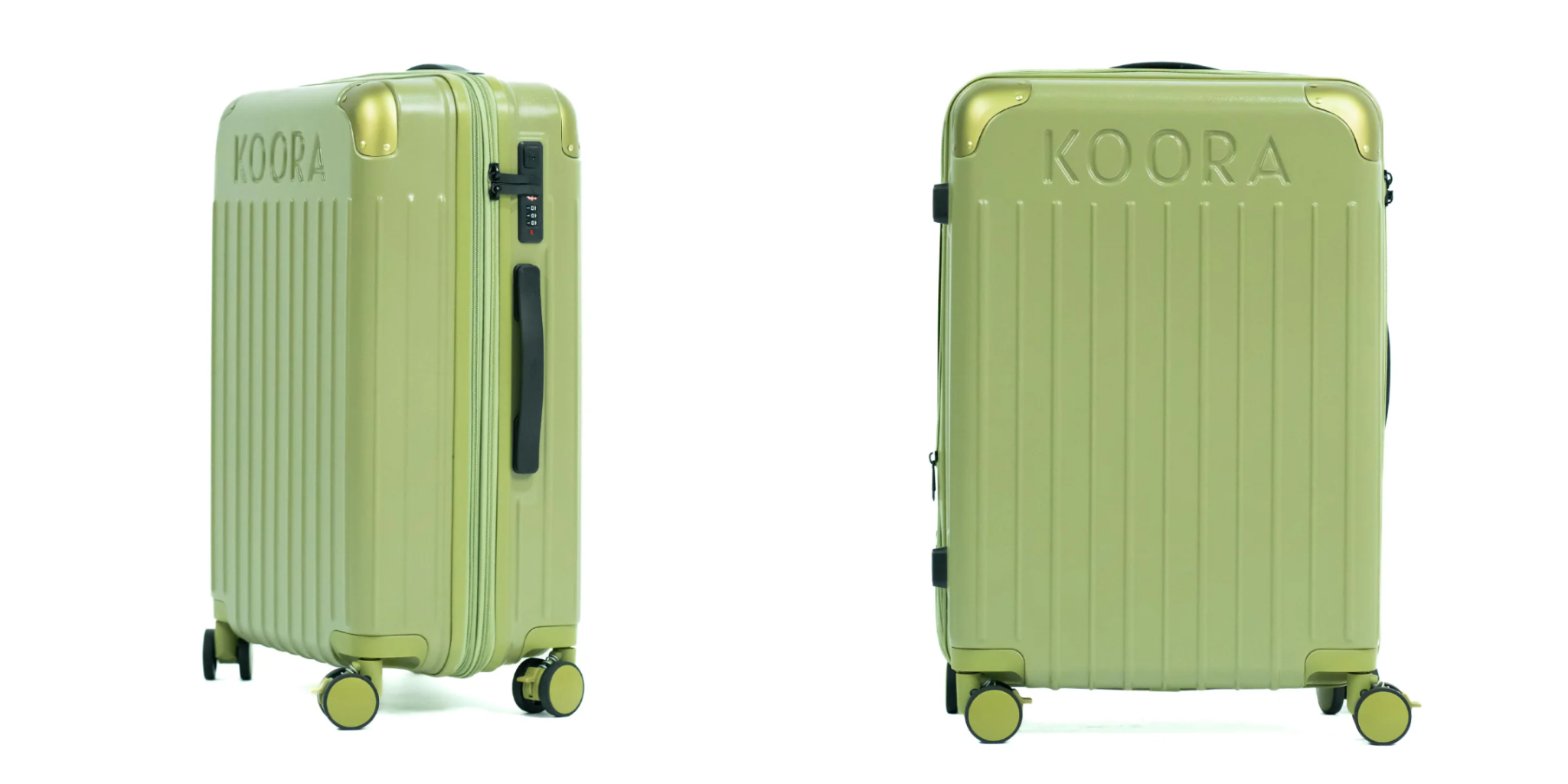
A suitcase is often the smarter choice when your trip is physically smooth and you do not want the load on your body. This sounds obvious, but it matters because some travelers feel guilty for not choosing a backpack, as if rolling luggage is somehow less efficient. It is not. If your route is mostly hard flooring, elevators, cars, and hotels, a suitcase can be the more comfortable and more sensible choice. In one of the one-bag threads, travelers acknowledged exactly this: for domestic or work trips with cabs, elevators, and minimal rough surfaces, rollers are perfectly reasonable. In the Europe-trip thread, one traveler even argued that wheeled luggage can still work very well in Europe if you are mostly using public transport and only occasionally need to carry it up stairs.
Suitcases are also appealing because they remove weight from your shoulders and hips. That is not a minor detail. One commenter in the backpack-versus-roller discussion said their shoulders were “brutalised” by a week in mainland Europe with a backpack, even though there were moments when they still did better than someone dragging a roller uphill. That is the tradeoff in one sentence: a backpack may give you more freedom of movement, but it can also punish your body if you carry too much for too long.
There is another quiet advantage to a suitcase: for some travelers, it is simply easier to pack, easier to open, and easier to live out of when staying in one place for a while. If you are not moving often, and your luggage mostly stays parked in a room, a roller bag can feel less physically demanding and more organized. That is especially true if your travel is closer to a vacation rhythm than a transit-heavy, constantly shifting itinerary.
When a backpack makes more sense
Backpacks win when the environment gets messy. That was one of the clearest conclusions from your Reddit set. Travelers repeatedly pointed to stairs, public transport, old streets, gravel, bad sidewalks, and uneven surfaces as the exact moments when rolling luggage becomes irritating or even ridiculous. One commenter said cobblestone or gravel streets become much more common than you realize once you are forced to drag 20 to 50 pounds over them. Another said roller wheels on cobblestones drastically cut wheel life unless the bag has replaceable wheels.
This is why a one bag travel backpack can feel liberating. It does not just reduce packing. It changes the kind of movement you can do. In the one-bag thread, travelers described using transit, buses, trains, rental cars, ferries, long layovers, and even city exploration while carrying the bag on their body. One commenter summarized the logic neatly: “High mobility = backpack.” That captures the real appeal. A backpack is not always more comfortable, but it is often more mobile.
Backpacks also keep your hands free, which sounds small until you actually travel with one. Several commenters emphasized this point. With a backpack, both hands remain available for phones, tickets, transit passes, food, doors, or balancing on stairs. With a roller, one hand is usually committed to the bag. If you spend a lot of time going from airport to public transport to walking city streets, that difference becomes surprisingly important.
Another strong backpack advantage shows up in hostels and tighter stays. In the solo travel thread, experienced hostel travelers pointed out that large suitcases often do not fit hostel lockers and can clutter dorm rooms badly. They also warned that hostels frequently mean stairs, not elevators. So if your trip includes budget stays, shared accommodation, or movement-heavy city travel, a backpack often fits the environment better.
The comfort problem nobody should ignore
Backpack enthusiasts sometimes underplay this, but they should not: a backpack can be a terrible choice if it is badly fitted, overloaded, or chosen for aesthetics over carry comfort. The Reddit material makes that clear. In the solo travel thread, experienced backpack users stressed the importance of hip belts, shoulder suspension, and load transfer. In the carry-on backpack thread, users discussed how padded straps, sternum straps, and hip-belts affect comfort, and several comments made it clear that comfort varies dramatically depending on load and design.

That means “backpack” is not automatically the comfortable option. A good travel backpack vs suitcase comparison has to admit that wearing weight is real work. If you choose a backpack, it has to suit your body and packing style. A 30–35 liter bag carried well is a very different experience from an overloaded, floppy pack hanging from your shoulders. Comfort depends on fit, straps, structure, and how disciplined you are with what you pack.
This also explains why some travelers who love backpacks for mobility still switch to rollers for certain trips. The Reddit threads do not show a universal winner. They show situational loyalty. The same traveler may choose a backpack for a multi-city Europe route and a suitcase for a smoother work trip. That is a sign of mature travel judgment, not inconsistency.
Airline rules make the decision more practical
The carry-on backpack vs carry-on suitcase question also changes once airlines enter the picture. IATA says carry-on baggage allowances vary by airline, cabin class, and aircraft type, though many airlines use a general reference of 56 × 45 × 25 cm, including wheels and handles, and some also impose weight limits starting around 5 kg. That alone is a reason not to think only in terms of “backpack” or “suitcase.” Size and airline policy matter more than category labels.
The Reddit thread about backpacks and carry-ons reinforces this practical point. Commenters explained that a backpack can be a carry-on or a personal item depending on its size and the airline’s rules. They also pointed out that budget airlines often allow only a small under-seat bag on base fares and may charge high fees if your bag does not fit the sizer and has to be gate-checked. In other words, the smartest backpack or suitcase for international travel decision is partly an airline-compliance decision.
This is one reason smaller travel backpacks are so attractive. In the carry-on backpack thread, one traveler said a 30L bag fit overhead on small regional flights where others were forced to check 40L carry-ons. That does not mean every smaller backpack is automatically better. It just shows that softer, more compact bags can sometimes give you more margin when airlines or aircraft get stricter.
Europe trips, trains, and the myth of one universal answer
A lot of people search specifically for backpack vs suitcase for Europe because Europe exposes the tradeoff very clearly. The Reddit threads capture both sides. Some travelers argued that backpacks are wonderful for train travel, public transport, stairs, and old city surfaces. Others argued that wheeled luggage works well enough in Europe if you are realistic and not dragging a giant case everywhere. One person even said Europe is “set up for wheeled luggage,” while another said a wheeled backpack felt rigid, heavy, and terrible to carry.
That contradiction is actually helpful. It tells you the answer depends on itinerary, not continent. If your Europe trip means multiple train changes, old hotels, metro stairs, and short stays, a backpack usually gives you more freedom. If your trip is slower, with longer hotel stays and smoother transfers, a suitcase may be perfectly fine. This is why the best bag for a Europe trip is not a universal object. It is the one that matches the amount of friction in your plan.
So which travel style fits you best?
Choose a travel backpack if your trip involves:
-
frequent movement between cities
-
trains, buses, ferries, or self-transfers
-
stairs, hostel stays, old streets, or uneven terrain
-
long periods where hands-free mobility matters
-
a preference for carrying less and moving faster
Choose a suitcase if your trip involves:
-
smooth airport-to-hotel travel
-
longer stays in fewer places
-
more taxis or direct transfers
-
a strong preference to avoid weight on your body
-
packing styles where you value rolling comfort over walking flexibility
If you are genuinely in the middle, the answer might be neither extreme. It might be a compact roller for smoother trips and a backpack for movement-heavy ones. The Reddit threads strongly suggest that experienced travelers do not worship one format forever. They use the one that creates less hassle for the trip in front of them.
Final verdict
So, backpack vs suitcase: which travel style fits you best?
If your priority is mobility, a backpack usually wins. It handles stairs, transit changes, public transport, cobblestones, and movement-heavy travel with less friction. If your priority is physical comfort during transit, a suitcase often wins because you roll the weight instead of wearing it. And if your priority is simply “the best bag for this exact itinerary,” the honest answer is that both can be right.
The smartest travelers are not the ones who blindly choose a backpack or blindly choose a roller. They are the ones who understand their own trip style well enough to choose the tool that makes the journey easier. That is the real answer to backpack vs suitcase for travel.